 100% Secure Payments
Pairing HVLS Fans and Air Circulators: Which Works Best for Your Facility?


Designing an effective airflow strategy isn’t about choosing one “best” fan—it’s about choosing the right combination for how your facility actually operates. Layout, ceiling height, traffic patterns, and work zones all play a role in determining whether HVLS fans alone are sufficient, air circulators are a better fit, or a paired approach delivers the most consistent results.
Understanding how each solution works helps can help confidently identify the right mix for your business.
When HVLS Fans Alone Are Sufficient
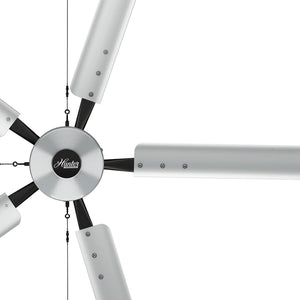
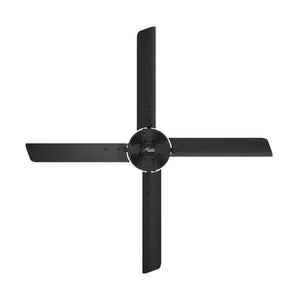
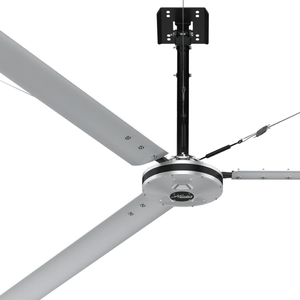
HVLS (High Volume, Low Speed) fans are often the foundation of large airflow systems. In wide‑open spaces with adequate ceiling height and minimal obstructions—such as warehouses, manufacturing floors, or distribution centers—HVLS fans can effectively manage overall air movement on their own.
By gently moving large volumes of air, HVLS fans help balance temperatures, reduce temperature stratification, and maintain consistent conditions across expansive areas. If your space has a relatively uniform layout and limited zone‑specific challenges, HVLS fans may provide all the airflow support you need.
When Air Circulators Are a Better Fit
Some areas require more precision than overhead solutions alone can offer alone. Air circulators are designed for localized, directional airflow—making them ideal for facilities with:
-
Lower ceilings or structural restrictions
-
Frequent layout changes
-
Specific zones that experience stagnant air
Aisles, loading docks, assembly lines, workstations, and equipment areas often benefit from air circulators because airflow can be aimed exactly where it’s needed. Their flexibility makes them especially valuable in pedestrian‑heavy zones and tight spaces where clearance and layouts matter.
How Pairing Improves Airflow Consistency
In many facilities, the most effective solution isn’t choosing one or the other—it’s pairing HVLS fans with air circulators.
HVLS fans help establish consistent airflow across the entire space. Air circulators then reinforce that foundation by filling in gaps, directing air around obstacles, and supporting areas where airflow demand changes throughout the day.
This combined approach helps reduce dead zones, improve air distribution near dock doors, and maintain more uniform conditions across mixed‑use environments. Instead of pushing one system to do everything, pairing allows each solution to perform where it excels the most.

Let Your Layout Drive the Decision
The right airflow mix depends on facility size and more on how the space is used. Consider a few key questions:
-
Are your ceilings tall and unobstructed, or low with structural constraints?
-
Do certain zones experience heavier traffic or frequent door openings?
-
Are some areas fixed, while others shift with production demands?
Facilities with expansive, open layouts may lean heavily on HVLS fans. More complex environments—with varied zones, movement patterns, and clearance requirements—often benefit from adding air circulators for targeted support.
A Smarter, More Flexible Airflow Strategy
Pairing HVLS fans and air circulators creates a system that’s both consistent and adaptable. It supports comfort, safety, and productivity today—while allowing flexibility as layouts and demands evolve.
By letting your facility’s layout guide the decision, you can build an airflow strategy that works seamlessly in the background, so teams can stay focused on what matters most. Get help choosing the right airflow mix for your facility, contact us today.